Easter SVG for Real Embroidery Projects
As an embroidery designer and product reviewer, I’ve evaluated countless machine embroidery designs. Easter SVG stands out as a versatile option, but its success depends on how it’s applied in real projects. Let me walk through my thoughts on how this design performs in practical use, what to watch for, and where it truly shines.
First Impressions: A Festive and Adaptable Design
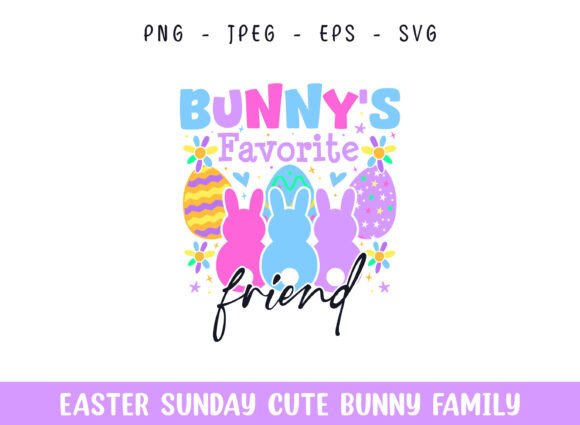
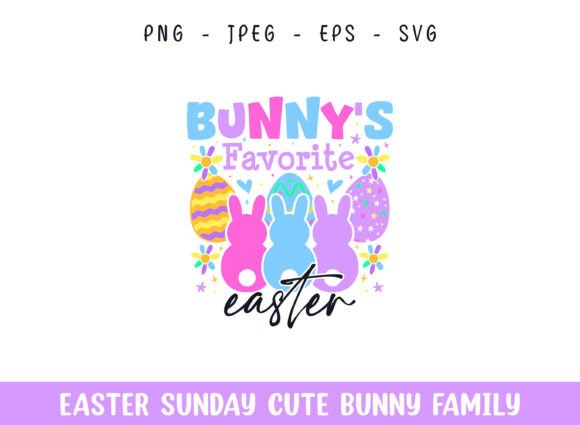
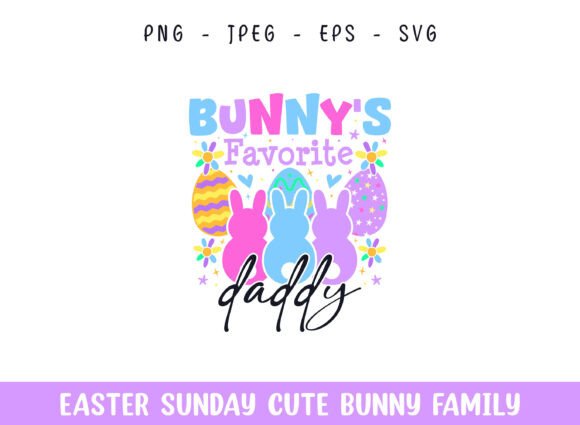
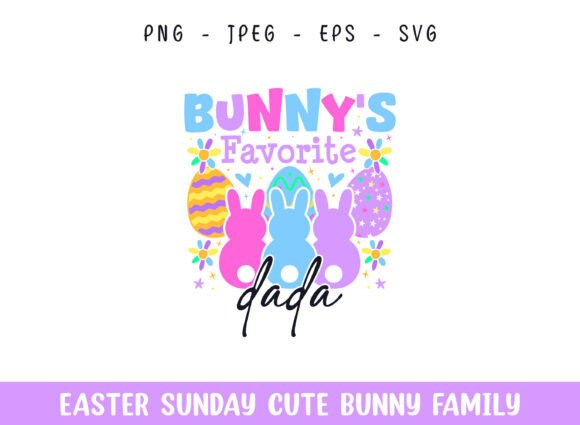
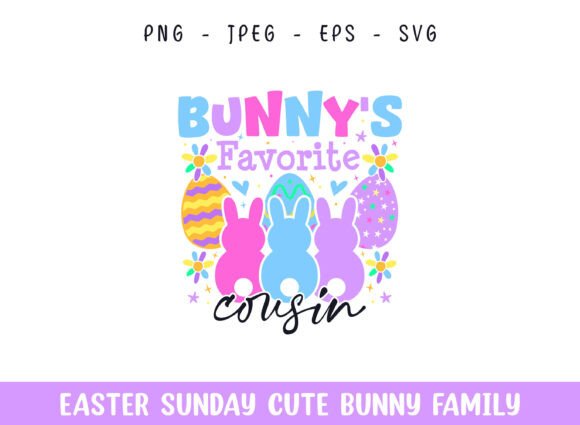
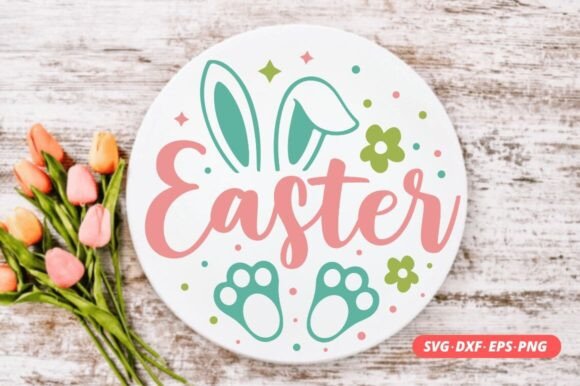
The first thing that catches the eye with Easter SVG is its cheerful, seasonal vibe. The design features classic Easter elements—bunnies, eggs, and flowers—arranged in a balanced layout. The shapes are clean, the details are clear, and the overall aesthetic feels approachable and modern. It has a friendly, almost whimsical personality that makes it ideal for baby items, children’s apparel, or holiday-themed gifts.
The design isn’t overly complex, which is a plus for beginners and a relief for those who want to avoid unnecessary stitch density. It’s not too minimal either, so it retains visual interest without being bland. This balance makes it suitable for a wide range of projects, from simple tote bags to more intricate embroidered patches.
Real-World Embroidery Performance
I tested Easter SVG on several fabrics and project types to see how it holds up in actual use. On a standard cotton tote bag, the design looked great. The satin stitches were smooth, and the fill areas didn’t pucker or distort. It worked well on sweatshirts and t-shirts too, especially when using a medium-weight stabilizer.
For baby clothes, the design was perfect. The soft lines and gentle colors made it feel safe and appropriate for little ones. I also tried it on an apron and a pillow cover, where it added a nice touch of festivity without overwhelming the item.
One thing to note is that Easter SVG doesn’t work as well on very thin or stretchy fabrics. The design can lose definition if the fabric pulls or stretches during stitching. For these cases, a heavier stabilizer and careful tension settings are essential.
Where to Use It Carefully
While Easter SVG is generally reliable, there are a few situations where it might not perform as expected. Small hoop sizes, for example, can be problematic. If you’re working on a cap or a curved surface, the design might get cut off or distorted. It’s best to use a larger hoop or adjust the design accordingly.
On dark fabrics, the design can sometimes appear too light or washed out. This is especially true if the thread color isn’t a strong contrast. I recommend testing it on different fabric colors before committing to a project.
Detailed corners and tiny lettering can also be an issue. If the design includes text, make sure to check the size and spacing. Running stitch areas may not hold up well on textured or rough fabrics, so consider simplifying the design or using a different stitch type.
Impact on Visual Appeal and Customer Perception
Easter SVG adds a lot of value to handmade products. When used correctly, it elevates the look of custom apparel, personalized gifts, and small shop merchandise. Customers often notice the quality of the embroidery, and a well-executed design like this can increase trust and repeat business.
It also helps with brand consistency. If you’re running a craft business or an Etsy shop, having a cohesive set of designs can make your offerings more recognizable. Easter SVG fits well into a seasonal collection, making it a valuable addition to your design assets.
From a buyer engagement standpoint, the design is highly giftable. Whether it’s for a holiday, a baby shower, or a special occasion, Easter SVG has broad appeal. It’s also great for printable mockups and digital product previews, helping you showcase your work effectively.
Practical Designer Notes
Before using Easter SVG in any project, I always recommend testing it on scrap fabric. This helps identify any issues with stitch density, thread color, or fabric compatibility. You should also review the file formats provided—SVG, PNG, DXF, EPS—since each may have different uses depending on your workflow.
When working with applique designs or layered garments, pay close attention to how the design interacts with the fabric. Some embroidery machines may struggle with certain file types, so double-check your machine’s compatibility if needed.
If you’re planning to sell finished products or digital files, make sure to confirm the licensing terms. Even though the product description mentions “many purposes,” it’s always safer to verify before using it commercially.
Conclusion: A Versatile Choice for Seasonal Projects
Easter SVG is a solid choice for embroidery designers, small business owners, and crafters looking for a festive and functional design. It works well across a variety of projects, from custom apparel to holiday gifts, and it offers a good balance of detail and simplicity.
With proper preparation and attention to fabric type, hoop size, and stabilizer use, it can become a standout element in your handmade products. Just remember to test it thoroughly and use it where it will shine the most. Whether you’re creating for personal use or selling online, Easter SVG is a reliable option that can add charm and professionalism to your work.