Sweater Weather Svg Review
As a designer and embroidery product reviewer, I often find myself evaluating SVG files for real-world use. The Sweater Weather Svg caught my attention with its cozy, autumnal vibe. It’s the kind of design that immediately evokes images of pumpkin spice lattes, crisp air, and warm knits. But how does it perform in actual embroidery projects? Let’s break it down.
The First Impression
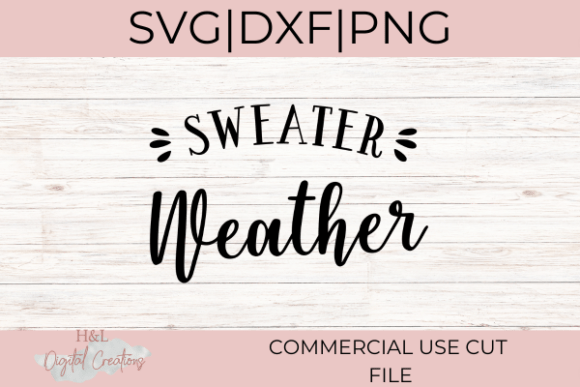
The Sweater Weather Svg has a soft, inviting aesthetic. The layout is clean, with a central quote surrounded by subtle fall elements like leaves and a sun. The design feels intentional—each line and curve seems to serve a purpose. It’s not overly complex, which makes it versatile but also raises questions about its adaptability for more intricate projects.
The theme is clearly autumnal, making it ideal for seasonal items like tote bags, sweatshirts, or baby onesies. The visual personality leans toward simplicity and warmth, which aligns well with handmade products and personalized gifts.
Real-World Embroidery Performance
When I tested the Sweater Weather Svg on different fabrics, it performed well on cotton and denim. The stitch density was appropriate for most standard hoop sizes, but I noticed some areas where the fill stitches could be denser for better coverage. This is especially important for darker fabrics where the design might not show up as clearly.
For custom apparel, like a sweatshirt or t-shirt, the design looks great. It adds a touch of personality without overwhelming the garment. However, on thinner or stretchy fabrics, I recommend using a stabilizer to prevent puckering and ensure the design stays in place after washing.
On baby clothes, the design works well, but I’d advise avoiding tiny lettering or detailed corners. These can become lost in the stitching process, especially on delicate materials. For embroidered patches or aprons, the Sweater Weather Svg holds up nicely, offering a professional look that’s perfect for small shop merchandise or Etsy listings.
Where to Use It Carefully
While the Sweater Weather Svg is versatile, there are situations where caution is needed. On small hoop sizes, the design may require resizing or splitting into sections, which can complicate the embroidery process. For curved surfaces like caps or hats, the design might not fit perfectly without adjustments.
On textured or dark fabrics, the contrast between the thread colors and the background becomes crucial. I recommend testing the design on both light and dark fabric samples before committing to a project. Thin or stretchy fabrics also demand extra care, as they can distort the design if not properly stabilized.
For commercial embroidery projects, the Sweater Weather Svg is a solid choice, but always check the licensing terms before selling finished items or digital products. It’s also worth noting that the design may not be ideal for high-traffic areas or items that require frequent washing, as repeated laundering can affect the longevity of the embroidery.
Impact on Visual Appeal and Customer Perception
The Sweater Weather Svg enhances the visual appeal of any project it’s used on. Its clean lines and cohesive theme make it easy to integrate into a brand’s aesthetic, whether for a craft business or a boutique product line. When used on a tote bag or pillow cover, it adds a personal touch that customers love.
Stitching clarity is generally good, though some details may need tweaking depending on the fabric and thread choices. For handmade products, this design helps build customer trust by offering a polished, professional finish. It also increases the giftability of items, as the cozy, seasonal theme is universally appealing.
From a branding perspective, the Sweater Weather Svg supports consistency, especially for businesses focused on fall or holiday-themed items. It’s also a strong asset for printable mockups or digital product previews, helping sellers showcase their work effectively.
Practical Designer Notes
Before using the Sweater Weather Svg, I always recommend testing it on scrap fabric. This helps identify any issues with stitch density, thread color contrast, or stabilizer needs. For commercial projects, double-check the licensing terms to ensure you’re compliant.
When working with this design, pay close attention to small details like lettering and corners. They can be tricky to get right, especially on complex or layered garments. Using a proper stabilizer is essential for maintaining the integrity of the design, particularly on thin or stretchy fabrics.
Finally, consider how the Sweater Weather Svg fits into your overall design assets. It’s a great addition for seasonal projects, but it may not be the best fit for every type of embroidery work. Evaluate its relevance based on your target audience and product offerings.